Sevin lawn insect granules provide a convenient, long‑lasting solution for protecting turf from pests. By applying a fine dust to the grass surface, you create a barrier that deters insects while allowing the lawn to breathe. Follow the instructions carefully to achieve optimal results. Enjoy. Now!!
1.1 What is Sevin Lawn Insect Granules?
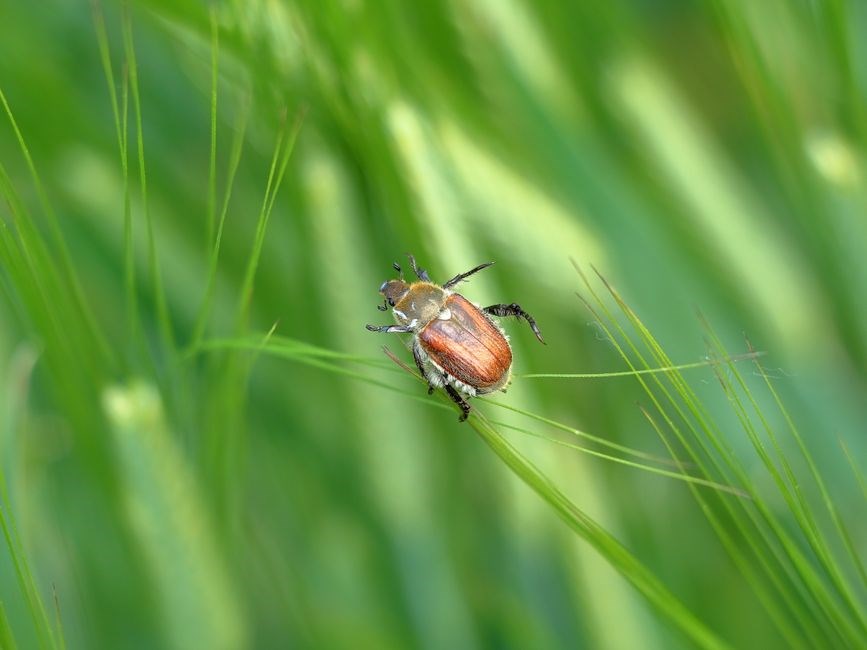
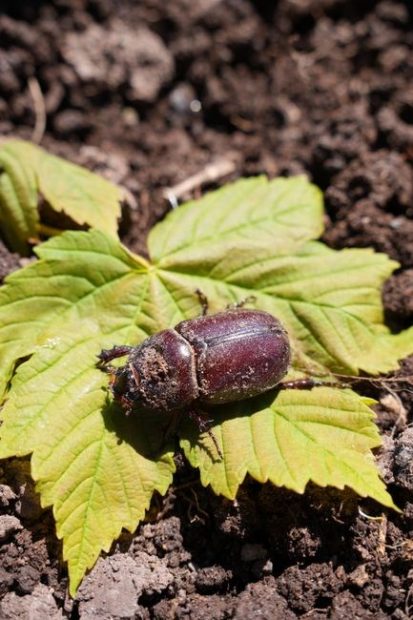
Sevin lawn insect granules are a granular formulation of carbaryl, a broad‑spectrum insecticide that targets a wide range of lawn pests such as grubs, chinch bugs, and various beetles. The product is designed for easy, even application across the entire lawn surface. When spread, the granules dissolve slowly in moisture, releasing the active ingredient over weeks to months, which provides extended protection without the need for frequent re‑treatments. The fine particle size allows the granules to sit on the grass blades and soil surface, creating a chemical barrier that insects cannot cross. Because the formulation is low‑toxic to mammals and birds when used as directed, it is a popular choice for residential and commercial turf managers who want effective pest control with minimal environmental impact. The granules are typically sold in bags ranging from 2 to 5 pounds, and the recommended rate is measured in pounds per 1,000 square feet, depending on the severity of the infestation and local pest pressure. When applied correctly, Sevin granules help maintain healthy, green lawns by preventing pest damage that can lead to brown patches, thinning, and root loss. They are often used in conjunction with other lawn care practices such as mowing, fertilizing, and proper irrigation to achieve a balanced, resilient turf ecosystem. The product’s extended‑release mechanism means that it continues to work as the soil moisture re‑activates the carbaryl, ensuring that the lawn remains protected through varying weather conditions; For best results, follow the manufacturer’s guidelines for application timing, rate, and safety precautions, and monitor the lawn for any signs of pest activity or environmental stress. By integrating Sevin lawn insect granules into a comprehensive lawn care routine, homeowners can enjoy a pest‑free, lush appearance while keeping maintenance demands low. Regular use of Sevin granules also helps reduce the overall chemical load on the lawn, promoting a healthier microbial community in the soil.
1.2 Benefits for Lawn Care
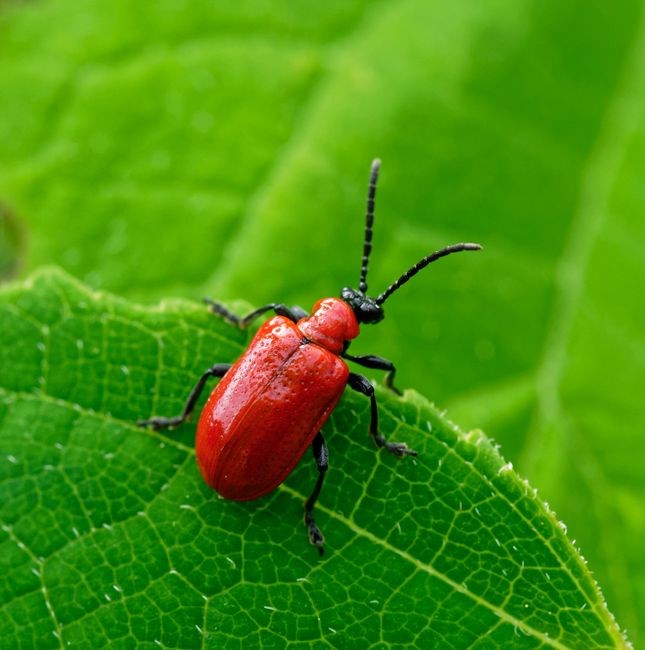
Sevin lawn insect granules offer several advantages that enhance turf health and reduce maintenance demands. First, the granular format allows for precise, even coverage across large areas, ensuring that every blade of grass receives protection. The slow‑release carbaryl works over weeks, providing long‑term pest control without frequent reapplication. This extended action keeps grubs, chinch bugs, and other destructive insects at bay, preventing the brown patches and thinning that often plague untreated lawns; Second, the product’s low toxicity to mammals and birds, when applied as directed, makes it a safer choice for families, pets, and wildlife. Third, the granules dissolve in moisture, so they activate only when needed, reducing the risk of chemical runoff during dry periods. Fourth, integrating Sevin granules into a regular mowing, fertilizing, and irrigation schedule promotes a balanced, resilient turf ecosystem. Finally, the ease of use—no mixing or watering required—translates to time savings for homeowners and commercial groundskeepers alike. Together, these benefits create a reliable, low‑maintenance solution that supports lush, healthy lawns while protecting the surrounding environment.
By integrating Sevin granules into a lawn care program, you not only protect against immediate pest threats but also foster a root system that can better withstand drought and disease. This proactive approach reduces the need for chemical interventions, preserving soil health for years. now
Safety Precautions
Always wear gloves, goggles, and a mask when handling Sevin granules. Keep the product away from children and pets, and store it in a cool, dry place. Avoid contact with food, drink, or open wounds. Follow label instructions closely to ensure safe use. Keep granules sealed
2.1 Personal Protective Equipment (PPE)
When applying Sevin lawn insect granules, personal protective equipment is essential to safeguard your health and prevent accidental exposure. Begin by selecting a well‑ventilated area, preferably outdoors, to reduce inhalation risks. Wear a chemical‑resistant disposable glove set—preferably nitrile or latex—ensuring that all exposed skin is covered. A face mask or respirator rated for fine particulate matter (e.g., N95 or higher) should be worn to filter airborne dust. Protective eyewear, such as safety goggles or a face shield, guards against splashes that may occur during mixing or application. Long‑sleeved, breathable clothing that covers arms and legs helps prevent direct contact with the granules. If you have sensitive skin or a history of allergies, consider additional barrier layers, such as a disposable apron or a second glove layer. After completing the application, remove gloves and eyewear carefully, placing them in a designated waste container. Wash your hands and any exposed skin thoroughly with soap and water, and rinse the face and eyes with clean water if contact occurs. Dispose of used PPE according to local hazardous waste regulations. Always read the product label for specific PPE recommendations and adhere strictly to them to maintain safety throughout the process. Finally, store all PPE in a dry, secure location and replace any damaged items before reuse to ensure ongoing protection. By consistently following these PPE guidelines you protect yourself your family, and the environment while maintaining an ecosystem.
2.2 Environmental Considerations
Sevin lawn insect granules contain active ingredients that, while effective against pests, can affect non‑target organisms if not applied responsibly. To minimize ecological impact, first assess the surrounding habitat: avoid treating areas near water bodies, bird nesting sites, or wildlife corridors. Use the recommended dosage—do not exceed the label’s maximum rate—so excess chemical does not leach into soil or runoff; Apply during cooler parts of the day to reduce volatilization and prevent drift onto neighboring properties. After application, keep pets and children away from the treated lawn until the granules have fully integrated into the turf, typically 24–48 hours. If rain is forecast within 24 hours, postpone application to prevent wash‑off. Store unused product in a sealed container, out of reach of children and pets, and dispose of any leftover granules according to local hazardous waste guidelines. Regularly monitor the lawn for signs of over‑application, such as discoloration or stunted growth, and adjust future treatments accordingly. By following these environmental precautions, you protect beneficial insects, maintain soil health, and preserve the overall balance of your garden ecosystem. When planning future applications, record the amount used, the date, and the weather; this information helps refine the schedule and avoid over‑application, ensuring your lawn remains healthy while protecting surrounding wildlife. Consider mowing, watering, and aeration; these actions reduce pest pressure and promote a lawn that resists infestations, making chemical use a last resort.
2.3 Application Timing
Sevin lawn insect granules are most effective when applied during periods of low pest activity and optimal environmental conditions. The ideal window is early spring or late summer, when temperatures range between 55°F and 75°F (13°C–24°C). This range ensures rapid absorption by the grass while minimizing volatilization of the active compound. Avoid applying during high humidity or when rain is expected within 24 hours, as moisture can cause the granules to clump or wash away, reducing efficacy. Morning application is preferred; the cooler air allows the dust to settle evenly across the turf. If you must apply in the afternoon, wait until the heat has subsided and the grass blades are dry. Consistency is key: apply the granules at the same time each week during the growing season to maintain a protective barrier. Record the date and amount used; this data helps refine future schedules and ensures compliance with label restrictions. When the lawn shows signs of pest resurgence, schedule a repeat application no sooner than 30 days after the first treatment to avoid over‑exposure and potential resistance buildup. Always follow the manufacturer’s recommended intervals and local regulations to protect both your lawn and the surrounding ecosystem. By timing your applications strategically, you maximize pest control while preserving turf health and environmental integrity. Record each application, noting weather, lawn response, and side effects, to adjust future treatments for optimal results and sustainability for lasting care.
Application Process
Apply Sevin granules evenly across the lawn using a calibrated spreader. Begin at the perimeter, moving inward, maintaining a consistent speed to avoid clumping. After coverage, rake to embed the dust into thesoil. Allow the lawn to dry before mowing. Monitor for pest activity and reapply as needed.
3.1 Materials and Equipment
Before you begin, gather all necessary tools to ensure a smooth and efficient application. A calibrated broadcast spreader is essential for even coverage; choose one rated for fine dust or granules. A measuring container or scale will help you apply the correct dosage per acre. Protective gear—gloves, safety goggles, and a dust mask—protects you from inhalation and skin contact. A wheelbarrow or tote bag keeps the granules organized and prevents spills. A tarp or plastic sheet can be laid over the lawn to catch excess dust and protect surrounding areas. A garden hose or spray bottle helps rinse the spreader head after use, preventing clogging. Finally, a small rake or brush aids in distributing the granules uniformly after spreading, ensuring the dust settles into the grass blades and soil. With these materials ready, you can proceed confidently to the next step of the application process.
Additional gear enhances efficiency. A calibrated spreader head, adjustable for fine dust, should be paired with a scale or measuring cup to verify dosage. A sturdy tote or plastic bag keeps granules dry and prevents spills. A small brush or rake aids in final distribution. Protective gear—gloves, goggles, a dust mask, and a face shield—guards against inhalation and skin contact. A storage bin or cabinet protects the product from moisture and pests. A hose or spray bottle can rinse the spreader head after use, preventing clogging. A tarp or plastic sheet laid over the lawn catches excess dust.care
3.2 Preparing the Lawn
Before applying Sevin granules, the lawn must be in optimal condition. Begin by mowing to a height of 2–3 inches; this allows the granules to settle into the grass blades and reduces wind drift. Remove all fallen leaves, twigs, and debris with a rake or leaf blower—any obstruction can create uneven coverage. Water the lawn 24 hours prior to application; a moist surface ensures the granules adhere and prevents dust from becoming airborne. Avoid watering on the day of application to keep the soil slightly dry, which improves granule distribution. After mowing and cleaning, lightly aerate the turf if the soil feels compacted; this opens up pores and enhances penetration of the insecticide into the root zone. Finally, inspect the lawn for any signs of disease or stress; treat those areas separately before spreading the granules to avoid compromising plant health. With the lawn properly prepped, you’re ready to move on to the spreading step.
Before application, ensure the lawn is free of pet waste, mulch, or other residues. A light dethatching can improve granule contact. If the soil is overly dry, apply a light top dressing of compost to aid absorption. Keep the area shaded during hot afternoons to prevent rapid drying. After spreading, avoid heavy traffic for at least 24 hours to allow the granules to settle into the turf. This meticulous approach guarantees long‑lasting insect control!.
3.3 Applying Granules Uniformly
Begin by dividing the lawn into manageable sections. Use a calibrated spreader set to the manufacturer’s recommended rate, typically 2–3 lb per 1,000 ft². Hold the spreader at a 45‑degree angle to the ground, moving in straight, overlapping rows to avoid double‑spreading. After each pass, pause to sweep any excess into the center of the row, ensuring a uniform blanket. If you notice a “puddle” of granules, redistribute with a light hand; this prevents clumping and promotes even coverage.
For large areas, consider a two‑pass method: first sweep a light coat, then, after a brief pause, apply a second, denser layer. This technique helps the granules embed into the grass blades and soil. Keep the spreader’s wheel in constant contact with the turf; a loose wheel can cause drift. When working near edges, use a hand‑held shaker to fill gaps. After completing the lawn, walk over the surface to confirm evenness, gently brushing any visible clumps. A consistent application not only maximizes insect control but also preserves the lawn’s aesthetic appeal.
Finally, allow the granules to settle for at least 30 minutes before any foot traffic. This short waiting period ensures the product adheres properly, reducing the risk of loss during mowing or walking. By following these steps, you achieve a smooth, even layer that delivers reliable protection against pests while maintaining a healthy, vibrant lawn. Remember to keep the lawn free of debris and avoid heavy traffic for 48 hours to allow the granules to fully integrate.!
3.4 Post-application Care
After the granules have settled, it’s essential to maintain a routine that protects the treatment while nurturing the turf. Begin by avoiding heavy foot traffic for at least 48 hours; this allows the insecticide to bind to the grass blades and soil. During this period, keep mowing equipment off the lawn to prevent accidental removal of the granules. When you resume mowing, use a sharp blade and set the height to 2.5–3 inches to minimize disturbance. Water the lawn lightly 24 hours after application, but avoid soaking, as excessive moisture can wash away the granules. Instead, apply a gentle mist that encourages absorption without leaching. Inspect the lawn weekly for signs of pest activity; early detection ensures the granules remain effective. If you notice any visible clumps or uneven spots, gently redistribute with a hand-held spreader or a soft brush. Finally, schedule a follow‑up application according to the product’s label instructions, typically every 90–120 days, to sustain long‑term protection. Additionally, avoid using high hoses on the treated area, as this can dislodge the granules.high‑pressure to Remember, care keeps granules effective, giving your lawn a strong shield!
3.5 Troubleshooting Common Issues
When applying Sevin lawn insect granules, several common pitfalls can undermine effectiveness. Below are practical diagnostics and remedies to keep your turf pest‑free. 1. Uneven coverage: If the granules appear patchy, the spreader may be clogged or the lawn’s moisture level was too high. Clean the spreader, adjust the rate, and re‑spread after the soil dries slightly. 2. Rapid loss of granules: Heavy rainfall or high‑pressure irrigation can wash away the dust. Apply during a dry window, and use a light mist rather than a jet. 3. Visible clumping: Granules may bind together if exposed to humidity before application. Store the product in a cool, dry place and spread immediately after opening. 4. Pest resurgence: If insects return within a week, the dosage may have been insufficient or the target species is resistant. Increase the rate per label guidelines or switch to a complementary product. 5. Grass damage: Over‑application can cause leaf scorch. Verify the recommended rate, and if damage appears, cut the lawn to a lower height to reduce stress. 6. Off‑target drift: Wind can carry granules onto neighboring plants. Apply on calm days and use a windbreak if possible. 7. Mislabeling: Confuse Sevin with another product? Double‑check the label and ensure you’re using the correct formulation. 8. Storage issues: Prolonged exposure to heat can degrade the active ingredient. Keep the container sealed and store in a temperature‑controlled environment. 9. Equipment malfunction: A malfunctioning spreader can produce uneven distribution. Test the spreader before use, and replace worn parts. 10. Legal compliance: Some regions restrict pesticide use on ornamental lawns. Verify local regulations and obtain any required permits. By systematically addressing these scenarios, you can maintain a healthy, pest‑free lawn while minimizing environmental impact. If problems persist, consult a local extension agent or professional for tailored guidance. The application process benefits from consistent monitoring, and the granules remain effective for up to six months when applied correctly, ensuring a robust defense against a wide range of lawn pests, thereby preserving the aesthetic and ecological balance of the turf. When applied correctly, the granules can remain effective for up to six months, providing a strong defense against a variety of lawn pests and helping to preserve the turf’s appearance and ecological balance. and promotes healthy growth.
3.6 Follow-up Maintenance
After the initial Sevin granule spread, consistent care is essential to sustain protection and turf health. Begin by mowing at the manufacturer’s recommended height; avoid cutting more than one‑third of the blade length to prevent shock. Water the lawn lightly, keeping the soil moist but not saturated, to help the granules settle into the upper root zone; Inspect the turf weekly for signs of pest activity or residue buildup. If insects reappear or the granule layer appears depleted, reapply at the rate specified on the label, ensuring even coverage. Maintain a log of application dates, weather conditions, and observed pest levels to refine future schedules. Use a calibrated spreader each time to avoid over‑application, which can harm the grass. Keep the lawn free of debris that may harbor pests, and consider integrating complementary cultural practices such as proper fertilization and aeration to enhance overall resilience. By following this routine, the granules can remain effective for up to six months, providing long‑term defense while preserving the lawn’s appearance and ecological balance.
Schedule inspections every 30–45 days during peak pest activity and record any new infestations. Adjust application rates accordingly. Use organic mulch around trees to reduce soil moisture loss. Consider companion planting that attracts beneficial predators like ladybugs and lacewings to keep pest populations low. Keep lawn pH balanced between 6.0 and 7.0 for optimal efficacy. and note.