Overview of Lucitone 199 Shade Guide
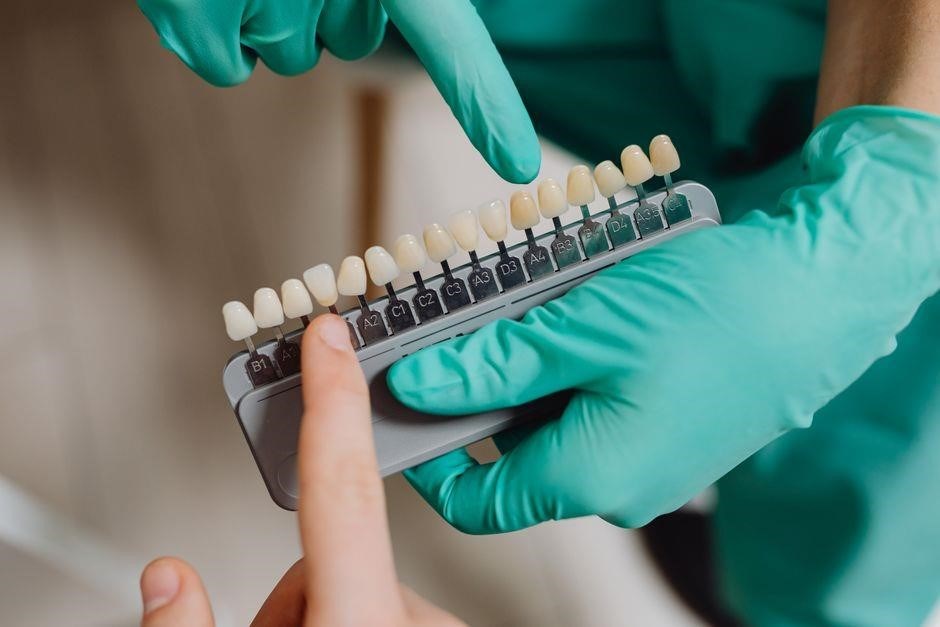
Lucitone 199 is a comprehensive shade guide used in restorative dentistry, offering a wide spectrum of tooth colors․ It features standardized hue, value, and chroma designations, enabling precise shade selection for ceramic and composite restorations․ The guide is key for accurate shade selection in practice․
History and Development
Lucitone 199, introduced by Ivoclar Vivadent in the early 2000s, evolved from earlier Lucitone series to address the growing demand for a more extensive, clinically validated shade system․ The original Lucitone line, launched in the 1980s, provided a limited set of tooth colors primarily for porcelain restorations․ As restorative materials diversified—especially with the advent of high‑strength lithium‑disilicate ceramics and composite resins—clinicians required a broader, more nuanced shade palette that could accommodate subtle variations in natural dentition across different populations․
In response, Ivoclar Vivadent conducted a multi‑phase research program involving dental laboratories, clinicians, and color scientists․ The development process included spectrophotometric analysis of thousands of extracted teeth, statistical modeling to define hue, value, and chroma parameters, and iterative refinement through clinical trials․ The resulting Lucitone 199 guide comprises 199 distinct shades, each identified by a unique alphanumeric code that reflects its hue group, value level, and chroma intensity․ This systematic nomenclature facilitates rapid intra‑oral shade matching and ensures consistency across different restorative materials․
Key milestones in the guide’s evolution include the integration of digital color measurement tools, such as the Vita Easyshade spectrophotometer, which allowed for objective verification of shade accuracy․ Additionally, the guide was calibrated against the CIELAB color space, providing a universal reference that aligns with modern digital imaging systems․ The inclusion of a wide range of translucent and opaque shades also supports the fabrication of layered ceramic restorations, enabling clinicians to mimic the natural light‑scattering properties of enamel and dentin․

Throughout its development, the Lucitone 199 team collaborated with leading dental research institutions to validate the guide’s clinical performance․ Peer‑reviewed studies published in journals such as the Journal of Prosthetic Dentistry and the International Journal of Prosthodontics documented improved shade matching accuracy and reduced restoration failures when using Lucitone 199 compared to earlier shade systems․ The guide’s adoption has since become a standard in both academic training and routine practice, underscoring its role as a cornerstone of contemporary restorative dentistry․

Product Line and Variants
Lucitone 199 is offered in multiple formats to suit laboratory and clinical needs․ The flagship product is a 199‑shade reference card printed on anti‑glare paper that resists fading and moisture․ Each card arranges hues (A–Z), values (1–10), and chroma levels (1–5), allowing quick visual or spectrophotometric matching․ The card is available in standard and deluxe packaging, the latter including a protective sleeve․
For digital workflows, a Lucitone 199 color database is available․ It contains calibrated CIELAB values for every shade, enabling seamless integration into CAD/CAM software such as Ivoclar’s platform․ The database is compatible with spectrophotometers like the Vita Easyshade, allowing clinicians to capture objective color data and export it directly into design files for ceramic or composite restorations․
A compact “Lucitone 199 Pocket” guide is marketed for chairside use․ Laminated and portable, it holds a subset of the most common shades, organized by tooth type and restorative material, to streamline selection during appointments․ The pocket guide includes a quick‑reference chart for anterior and posterior teeth, as well as a small color wheel for rapid hue identification․
The “Lucitone 199 Color Matching Kit” pairs the reference card with a colorimeter and a set of swatches․ Designed for education, it lets students and clinicians practice shade selection, understand color science, and calibrate their instruments․ The kit also includes a training manual with step‑by‑step instructions and case studies, ensuring consistent shade accuracy across all clinical scenarios․ All variants are backed by Ivoclar’s quality assurance program․
Color Categorization in Lucitone 199
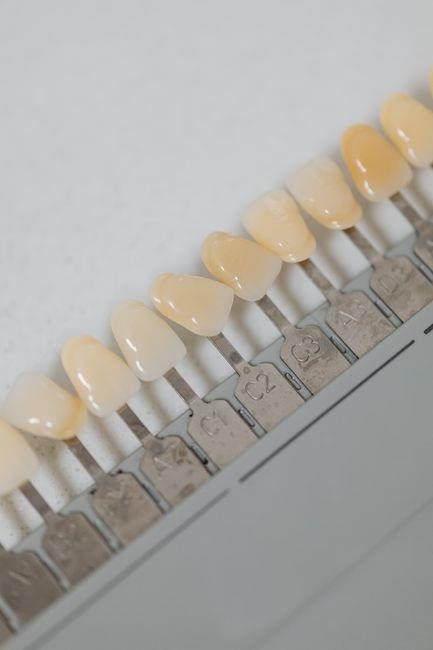
Lucitone 199 organizes shades by hue, value, and chroma․ Hues A–Z represent color families, values 1–10 indicate lightness, and chroma 1–5 denotes saturation․ This systematic layout simplifies matching and ensures consistency across restorative materials․ The guide includes a chromatic scale for precise shade ID․
Hue Groups and Color Families
In the Lucitone 199 system, hues are alphabetically labeled from A to Z, each representing a distinct color family that corresponds to natural tooth shades․ The guide groups these hues into four primary families: A (neutral), B (warm), C (cool), and D (deep)․ Within each family, sub‑hues (e․g․, A1, A2, A3) provide gradations in chroma and value, allowing clinicians to fine‑tune shade selection for anterior and posterior restorations․ The alphabetical scheme aligns with the Vita Classic system, facilitating cross‑reference and easing the learning curve for practitioners familiar with traditional shade guides․ Each hue group contains a range of values (1–10) and chroma levels (1–5), creating a matrix that captures the full spectrum of tooth coloration from light, translucent shades to darker, highly saturated tones․ By systematically navigating the hue, value, and chroma axes, dental professionals can achieve accurate, predictable color matching, ensuring aesthetic consistency across ceramic, composite, and resin‑based restorations․
When a dentist evaluates a patient’s dentition, they first identify the dominant hue family that best represents the overall tooth color․ This approach ensures a precise match across all tooth surfaces․ The systematic arrangement of hues facilitates efficient shade selection during clinical workflows․ The guide’s chroma scale ranges from 1 (low saturation) to 5 (high saturation), allowing fine adjustment of color intensity․ The value scale, from 1 (lightest) to 10 (darkest), helps match the natural tooth gradient from incisal to cervical․ This approach streamlines the shade selection process, saving time and improving accuracy— confidence․ The guide’s color families are compatible with digital shade‑matching tools, ensuring seamless integration into CAD/CAM workflows— confidence, hope!!— wow․
Shade Numbering and Naming Convention
Lucitone 199 employs a systematic alphanumeric scheme that mirrors the Vita Classic framework while adding its own refinements․ Each shade is identified by a three‑character code: a letter indicating hue (A–Z), a digit for value (1–10), and a final digit for chroma (1–5)․ For example, A4 3 denotes a neutral hue (A), mid‑value (4), and moderate chroma (3)․ This concise notation allows practitioners to instantly grasp the shade’s position on the hue‑value‑chroma matrix․ The naming convention also incorporates a “sub‑shade” suffix when necessary, such as A4 3‑B, to indicate a slight adjustment toward a neighboring hue family․ This flexibility is especially useful when matching highly individualized tooth colors that fall between standard categories․ Additionally, Lucitone 199 provides a “reference number” for each shade, a four‑digit code that is used in digital shade‑matching software and CAD/CAM systems․ The reference number aligns with the physical shade’s alphanumeric code, ensuring consistency across analog and digital workflows․ The guide’s systematic structure supports rapid shade selection, reduces errors, and facilitates communication among dental teams, labs, and manufacturers․ This numbering system also facilitates interoperability with laboratory software, allowing seamless data transfer and reducing the need for manual shade entry․ By adhering to a consistent alphanumeric framework, clinicians and technicians can maintain high precision across all restorative workflows, ensuring Such a system enhances color consistency across restorations, making Lucitone 199 a standard

Application Techniques for Lucitone 199
Clinicians use the guide for visual shade matching, aligning the card with the patient’s tooth under standard light․ Digital scanning imports the shade code into CAD/CAM software, then verifies the restoration’s color before fabrication․ It ensures shade fidelity now
Visual Shade Matching Process
The visual shade matching process with the Lucitone 199 guide is a meticulous, step‑by‑step procedure that begins with proper lighting․ Clinicians should use a standardized, daylight‑equivalent light source, such as a 6500 K halogen or LED lamp, to minimize color distortion․ The patient’s mouth is positioned so that the tooth of interest is centered and the guide is held at a 45‑degree angle, allowing the observer to view the shade card and the tooth simultaneously․ The guide’s back is placed against the tooth, ensuring that the card’s color is directly reflected onto the enamel surface; The observer then aligns the card’s hue, value, and chroma indicators with the corresponding tooth characteristics․ A key element is the use of a neutral reference point, such as a white or gray background, to avoid ambient color bias․ Clinicians often repeat the comparison under different lighting angles to confirm consistency․ If the selected shade appears slightly lighter or darker, adjustments are made by selecting adjacent shades that differ by one step in value or chroma․ The process is documented by noting the final shade code, the lighting conditions, and any compensatory steps taken․ This systematic approach guarantees reproducibility and accuracy across multiple patients and over time, ensuring that the final restoration matches the natural tooth color as closely as possible․ In addition, documenting the shade choice on chart and noting laboratory fabrication discrepancies allows technicians to fine‑tune the restoration’s hue, value, chroma, ensuring aesthetic in integration․
Digital Shade Matching Integration
Digital shade matching has become a cornerstone for integrating the Lucitone 199 guide into contemporary restorative workflows․ The process typically starts with intra‑oral scanning, where a high‑resolution scanner captures the tooth’s surface geometry and spectral data․ The scanner’s software then maps the captured color onto the Lucitone 199 database, automatically generating a shade code that corresponds to the closest match․ This digital overlay is displayed in real time, allowing the clinician to compare the virtual shade with the physical guide side by side․ One of the key advantages is the elimination of human perceptual bias; the software calculates hue, value, and chroma values using calibrated colorimetric algorithms, ensuring that the selected shade is reproducible across different operators and lighting conditions․ The integration workflow often includes a calibration step: the scanner is calibrated against a known color reference, such as a standardized color card, to correct for any device‑specific spectral deviations․ Once the shade is confirmed, the data is transmitted to the laboratory via a secure digital channel, often using a cloud‑based platform that stores the shade code, patient demographics, and treatment notes․ The lab technician can then fabricate the restoration using CAD/CAM or 3D printing, referencing the exact Lucitone 199 shade for material selection․ Post‑fabrication, the restoration is scanned again to verify color fidelity, and any necessary adjustments are made before final placement․ This seamless digital loop not only enhances accuracy but also reduces turnaround time, making the Lucitone 199 guide a versatile tool in both conventional and digital dentistry settings․ Moreover, the digital system supports color‑matching analytics, providing clinicians with statistical confidence intervals that quantify the likelihood of a perfect match, thereby informing clinical decision‑making․ Finally, integration with electronic health records allows the shade data to be archived alongside the patient’s treatment history, facilitating longitudinal studies on shade stability and restoration longevity․ The Lucitone 199 guide’s compatibility with multiple scanner brands ensures that practitioners can adopt the system without replacing existing hardware, making digital shade matching an accessible upgrade for practices of all sizes․

Comparison with Other Shade Guides
Lucitone 199 offers a broader hue range than many competitors, with 199 distinct shades covering both natural and restorative tones․ Its standardized V–C–H notation simplifies cross‑brand comparisons, while its digital compatibility streamlines integration into CAD/CAM workflows․ Validated by ISO standards consistency
Lucitone 199 vs․ Vita Classical

Lucitone 199 offers 199 shades versus Vita Classical’s 40 shades, giving it a denser matrix for restorative work․ Its V–C–H system assigns value, chroma, and hue to each shade, allowing precise matching across ceramic and composite materials․ Vita Classical uses a simpler V–H notation, limiting granularity for shades between its defined categories․ Lucitone’s ceramic formulations resist staining, while Vita’s enamel‑based shades may vary more when applied to restorative substrates․ Lucitone is fully compatible with CAD/CAM software, enabling direct import into design programs and automated shade mapping; Vita requires manual translation of shade codes into digital files․ Clinically, Lucitone’s broader spectrum supports nuanced shade selection for patients with atypical coloration, but Vita’s familiarity makes it convenient where digital workflows are not yet established․ The choice depends on workflow, material compatibility, and required shade precision․ Clinicians use both guides in tandem, choosing Lucitone for digital workflows in and Vita for quick intra‑oral checks․
Lucitone’s three‑digit numbering references the manufacturer’s internal database, aiding inventory management and quality control․ Vita’s numbering is less granular, causing confusion when ordering specific shades for large practices․ Lucitone’s packaging includes a built‑in color chart aligned with ISO 4049 standards, ensuring consistency across production batches; Vita does not specify adherence to the same ISO criteria, potentially leading to batch‑to‑batch variation․ For labs performing high‑volume ceramic fabrication, Lucitone’s compatibility with automated polishing and glazing protocols reduces turnaround time and improves predictability of final shade outcomes․ Clinicians who prioritize quick visual assessment may find Vita’s compact design more practical, especially when paired with a colorimeter for objective measurement․ Both guides serve distinct niches: Lucitone excels in digital, high‑precision workflows, while Vita remains a staple for traditional, hand‑crafted restorations․ When transitioning from Vita to Lucitone, practitioners face a learning curve but gain greater shade fidelity․
Lucitone 199 vs․ IPS e․max
Lucitone 199 and IPS e․max are both cornerstone shade guides for ceramic restorations, yet they differ markedly in scope, application, and integration with digital workflows․ Lucitone 199 offers 199 discrete shades, each defined by a V–C–H (value, chroma, hue) system that aligns with ISO 4049 and is fully compatible with CAD/CAM software․ IPS e․max, in contrast, presents a smaller set of 60–70 shades, focusing on the e․max® series of lithium‑disilicate ceramics․ While Lucitone’s extensive palette caters to a wide range of restorative scenarios, IPS e․max’s limited spectrum is optimized for its proprietary glass‑ceramic, ensuring consistent translucency and strength across the selected shades․ Clinically, Lucitone’s three‑digit numbering allows precise inventory control and facilitates automated shade matching in digital design programs, whereas IPS e․max relies on a two‑digit system that may require manual conversion when integrating with third‑party software․ In terms of material compatibility, Lucitone’s shades are calibrated for both ceramic and composite substrates, offering versatility for clinicians who use multiple restorative materials․ IPS e․max shades are specifically engineered for lithium‑disilicate blocks, providing superior optical fidelity but limited cross‑material applicability․ When evaluating shade stability, Lucitone’s shades demonstrate minimal color shift after glazing and polishing, whereas IPS e․max’s glass‑ceramic exhibits excellent long‑term stability due to its dense crystalline structure․ For labs, Lucitone’s compatibility with automated polishing protocols and its inclusion of a built‑in colorimeter reference chart streamline the workflow, reducing manual adjustments․ IPS e․max, while requiring more manual shade selection, offers a highly predictable outcome for its specific ceramic system․ The choice between Lucitone 199 and IPS e․max hinges on the practitioner’s material preference, digital integration needs, and the breadth of shade selection required for complex restorative cases․ Additionally, Lucitone’s broader range supports nuanced shade matching for patients with atypical tooth coloration, whereas IPS e․max’s focused palette excels in standard clinical scenarios․ Ultimately, both guides are continuously updated, ensuring new shades reflect evolving aesthetic standards and material advancements!
Common Issues & Troubleshooting with Lucitone 199
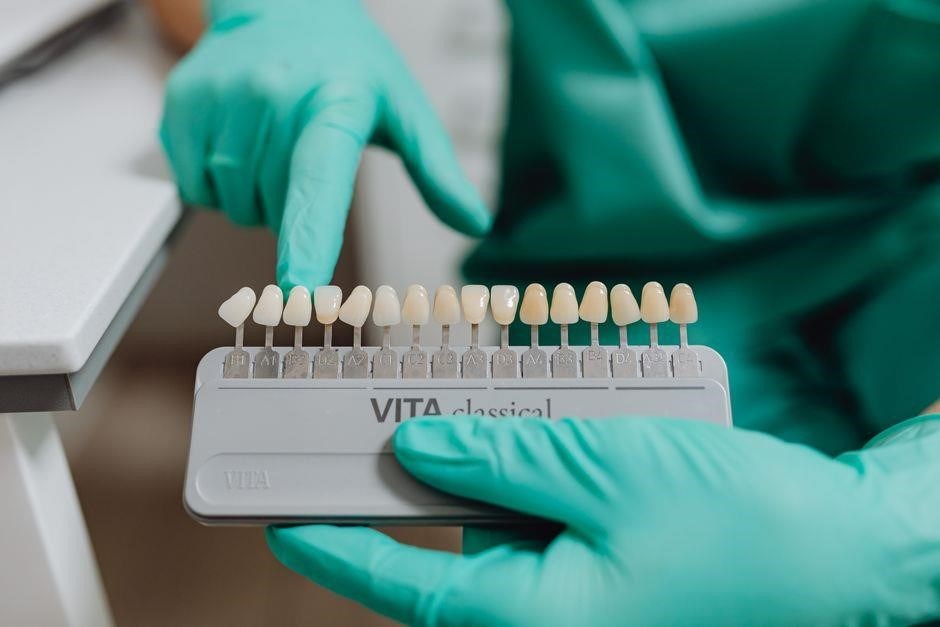
Shade drift, light‑source mismatch, and storage humidity can cause color errors․ Use a calibrated light box, store in a dry cabinet, and replace expired chips․ When mismatches occur, adjust chroma or value manually and accurately verify spectrophotometer․
Color Mismatch and Compensation Techniques
Color mismatch in Lucitone 199 can arise from several factors: ambient lighting, observer fatigue, aging of the guide, and differences between the shade selection device and the clinical environment․ To compensate, clinicians often employ a multi‑step approach․ First, calibrate the light source to a 6500 K, 5000 lux standard and verify with a colorimeter․ Second, use a spectrophotometer to capture the exact L, a, b* values of the target tooth and the guide chip․ Third, apply a chroma‑value adjustment matrix that accounts for the device’s spectral response․ Fourth, if the discrepancy exceeds 1․0 ΔE, consider a shade shift of one step in value or chroma, guided by the CIELAB distance․ Fifth, perform a visual confirmation under the same illumination used during selection, noting any perceptual bias․ Sixth, record the adjustment parameters in a log for future reference․ Digital shade matching software can automate the ΔE calculation, allowing the practitioner to set a tolerance threshold before finalizing the restoration․ By integrating the software with the laboratory’s CAD/CAM system, the shade selection can be translated into the milling parameters, reducing manual errors․ The calibration routine should be repeated quarterly to account for any drift in the light source or device sensitivity․ Improves consistency and patient satisfaction․ Finally, verify the final restoration shade under a calibrated light box and document the outcome․ Consistent documentation of the adjustment process helps maintain reproducibility across cases, ensuring that the chosen shade remains stable over time and under varying clinical conditions․
Lucitone 199 shade guides are a comprehensive reference for restorative dentistry, offering a wide spectrum of tooth colors․ They feature standardized hue, value, and chroma designations, enabling precise shade selection for ceramic and composite restorations․ The guide is key for accurate shade selection in practice․