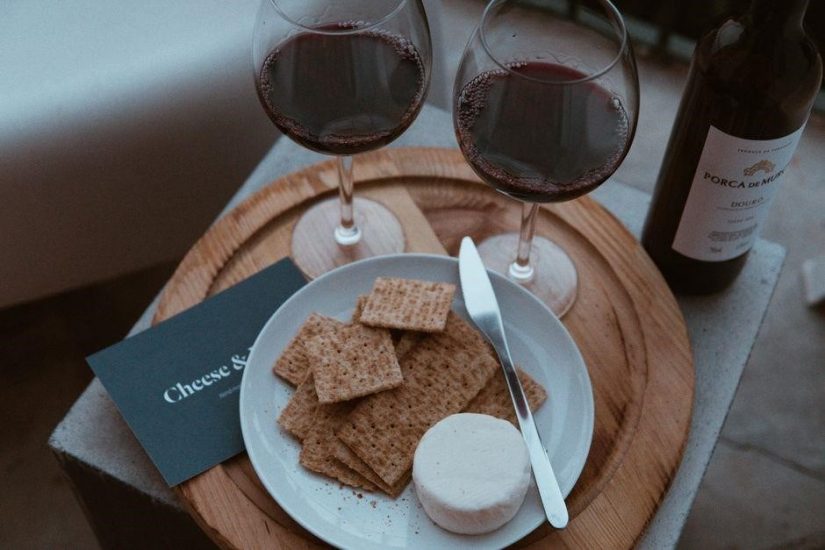
Wine, an alcoholic beverage from fermented grape juice, offers delightful culinary synergy when matched with food.
A chart aids selection, offering guidance for enjoyable dining experiences globally.
Explore WineStyle for purchasing options too;
What is a Wine and Food Pairing Chart PDF?
A Wine and Food Pairing Chart PDF serves as a practical, downloadable resource designed to simplify the often complex art of matching specific wines with various food items.
It consolidates expert knowledge into an easily accessible, printable format, perfect for home use or restaurant reference.
While the internet offers numerous resources, such as those found on WineHQ, a dedicated PDF provides offline convenience.
These charts typically categorize foods—like red meat or seafood—and suggest appropriate wine styles, ranging from bold reds to crisp whites.
For those interested in purchasing, sites like SimpleWine offer retail access alongside informational content.
The purpose is not just recommendation but education, helping consumers navigate the vast world of viticulture and gastronomy effectively.
Consider also the insights from Simple Wine News for deeper context on regional specialties and tasting notes, complementing the chart’s quick reference utility.
These documents distill complex flavor profiles into actionable pairing advice, enhancing the entire dining journey significantly.
It is a tool for enjoyment, not just a list of rules, encouraging adventurous yet informed choices across diverse global cuisines, reflecting the worldwide consumption of this beverage.
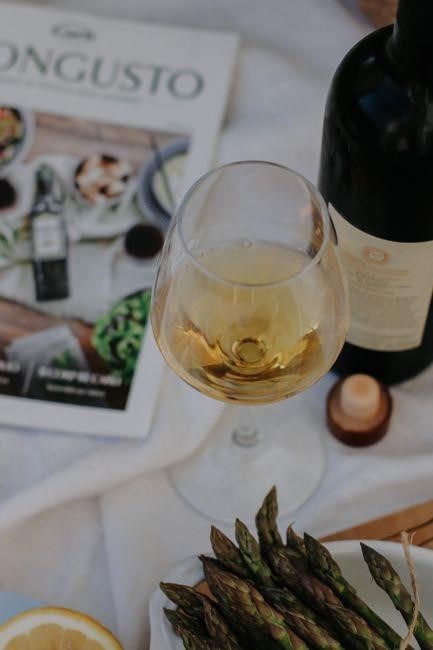
Benefits of Using a Pairing Chart
A Pairing Chart PDF simplifies complex decisions, making gourmet dining accessible to all.
It offers quick, reliable guidance, moving beyond guesswork when selecting wine for meals.
Consulting resources like Wikipedia alongside the chart broadens knowledge.
This tool enhances the overall culinary experience significantly for every diner.
Simplifying Pairing Decisions
A Wine and Food Pairing Chart PDF serves as an invaluable resource, demystifying the often-perceived complexity of matching vintages with diverse culinary offerings.
Instead of endless deliberation, users gain immediate, practical direction, whether they are preparing a simple weeknight meal or hosting a sophisticated dinner party.
This digital guide aggregates expert knowledge, transforming uncertainty into confident selection.
For instance, knowing that wine originates from fermented grape juice provides context, but the chart offers application.
It bridges the gap between having ingredients and achieving a harmonious gustatory experience.
Furthermore, accessing these charts online, perhaps via WineHQ related materials, ensures up-to-dateness.
This ease of use is crucial for novice enthusiasts as well as seasoned connoisseurs seeking quick validation.
The chart acts as a curated decision-support system, preventing costly or disappointing mismatches.
It allows focus to remain on the enjoyment of the food and drink, not the logistics of pairing.
Consider the variety available through retailers like WineStyle; the chart helps navigate this breadth effectively.
Ultimately, it democratizes fine dining knowledge, making sophisticated pairings achievable for everyone, regardless of prior expertise.
This simplification is key to making every meal memorable and perfectly balanced.
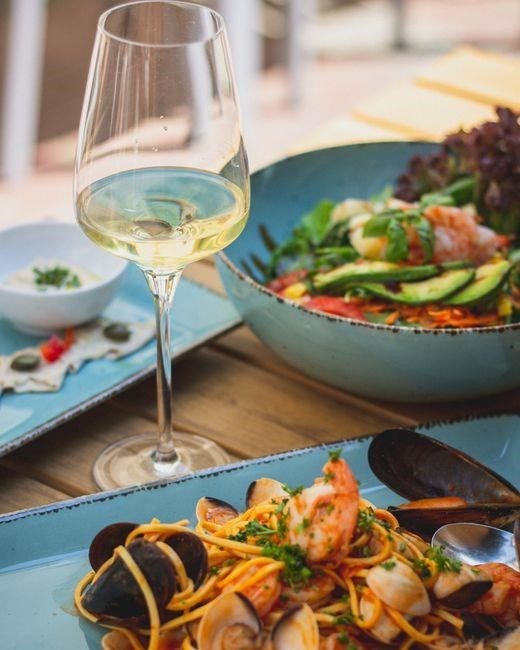
Key Principles of Wine Pairing
Wine pairing relies on balance, not just matching types.
Understanding the core characteristics of wine is vital for successful pairings.
A chart helps apply these rules simply.
Consult Simple Wine News for deeper insights into these guiding concepts.
Matching Intensity Levels
Intensity matching is a fundamental concept when utilizing any wine and food pairing chart PDF.
The general rule suggests that the weight, body, and flavor intensity of the wine should correspond reasonably well to the intensity of the dish being consumed.
For instance, a light, delicate appetizer pairs poorly with a heavy, robust red wine, leading to a clash rather than harmony.
Conversely, a very powerful, full-bodied red wine might overwhelm a subtle fish preparation, diminishing the delicate flavors of the seafood.
This principle applies across various food types, from light poultry to rich red meats.
When selecting from resources like WineStyle, consider the food profile alongside the wine’s perceived intensity.
A chart simplifies this by often categorizing wines and foods by perceived weight—light, medium, or full-bodied.
This systematic approach prevents mismatched pairings, ensuring the culinary experience is cohesive and enjoyable for the diner.
Experts often advise that if the food is intensely flavored (e.g., heavily spiced or rich), the wine should possess enough structure and intensity to stand up to those flavors without being overpowered.
Conversely, if the food is subtle, an overly aggressive wine will dominate.
Reviewing expert ratings, such as those found on RBC, can help gauge the appropriate intensity level for specific regional or modern selections.
Ultimately, successful pairing is about equilibrium; neither the wine nor the food should be the undisputed, overwhelming star, but rather complementary partners in a shared gastronomic narrative.
This level matching is key to moving beyond simple preference toward thoughtful, balanced dining.
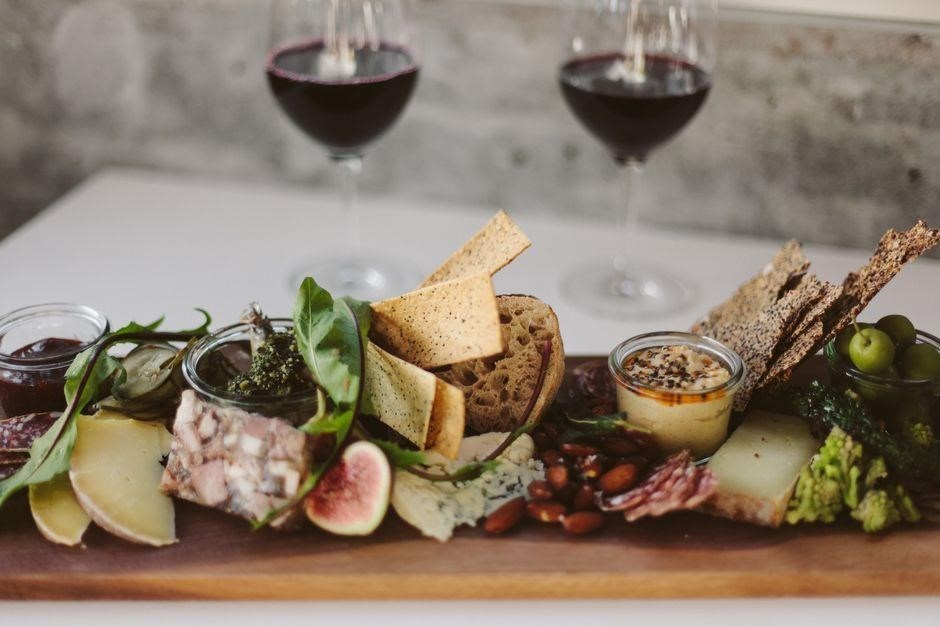
Common Food Categories and Wine Matches
Red meat demands bold reds, while poultry suits lighter white wines.
Consult Wikipedia for more.
Use a chart for easy guidance; WineStyle offers choices.
Red Meat and Bold Reds
Red meat pairs wonderfully with robust, full-bodied red wines. This combination creates a harmonious balance on the palate, where the tannins in the wine complement the richness and deep flavors inherent in the meat. Consider wines from regions known for powerful reds, as the intensity matches the culinary profile perfectly.
For detailed guidance, one might seek a Wine and Food Pairing Chart PDF, which simplifies these complex decisions for the home enthusiast or professional diner.
Information regarding wine, such as its definition as an alcoholic drink from fermented grape juice, can be found on Wikipedia.
Furthermore, various online retailers, like WineStyle, provide extensive assortments to aid in selecting the ideal pairing for your specific cut of red meat.
The selection should account for the meat’s preparation—grilled, roasted, or slow-cooked—as this affects the necessary wine structure.
Expert reviews, such as those found on RBC regarding top Russian reds, can offer regional insights.
Ultimately, the goal is synergy, not conflict, ensuring every bite and sip enhances the overall gastronomic experience.
For purchasing, platforms like SimpleWine offer competitive pricing and expert consultation, making the pairing process accessible to everyone interested in fine dining and wine appreciation.
This careful consideration elevates a simple meal into a memorable event, guided by established pairing principles.
Poultry and White Wines
Poultry dishes, such as chicken or turkey, possess a lighter, more delicate flavor profile compared to red meats, necessitating a complementary, less assertive wine.
White wines are the ideal match here; their crispness, acidity, and often subtle fruit notes cut through the richness of the poultry without overpowering its subtle essence.
A Wine and Food Pairing Chart PDF serves as an excellent, quick reference tool for navigating these pairings, simplifying the decision-making process for any host or diner.
As noted on Wikipedia, wine itself is defined by its fermentation from grape juice, making regional style crucial for matching.
For procurement, WineStyle offers a comprehensive selection, allowing users to find suitable white varietals.
The pairing works because the bright acidity in the white wine refreshes the palate after each bite of poultry, preventing the meal from feeling heavy.
Consider the preparation: herb-crusted or lemon-infused poultry benefits from a bright, citrus-forward white, while richer preparations might suit a slightly oaked white.
Market insights, like those in the RBC reports on top Russian wines, can guide regional choices.
Platforms such as SimpleWine facilitate the purchase of these recommended white wines at advantageous prices.
This strategic pairing enhances the overall dining pleasure, moving beyond mere consumption to a curated gustatory journey, perfectly summarized by pairing guides.

Seafood Pairing Guidelines
Light fish demands crisp, delicate white wines for optimal harmony.
A Pairing Chart PDF helps match these subtle flavors.
Wine acidity balances the seafood’s natural sweetness.
Check WineStyle for selections; enjoy the culinary blend!
Light Fish and Crisp Whites
Wine pairing with light fish requires finesse; heavy, oaky selections will overpower the delicate flavors.
Crisp, high-acid white wines, such as Sauvignon Blanc or unoaked Pinot Grigio, are ideal companions.
A Wine and Food Pairing Chart PDF serves as an excellent reference tool for beginners and seasoned gourmands alike, simplifying complex decisions into manageable guidelines.
These lighter wines complement the subtle textures and mild tastes of white fish, sole, or cod beautifully, enhancing rather than dominating the dish.
For purchasing guidance, WineStyle offers a wide assortment, ensuring you find the perfect match for your meal.
Remember that the goal is synergy, not contrast.
Consulting resources like RBC for regional insights can further refine your choice, especially regarding local offerings;
The world of wine is vast, but a good chart provides a clear starting point.
Explore the nuances of fermentation and grape varietals to elevate your next dining experience.
This approach ensures that the wine acts as an elegant supporting character to the main course, providing refreshment and balance throughout the meal.
It is a journey of discovery, made easier with structured advice.
Consider the freshness of the fish; a very oily or strongly flavored fish might warrant a slightly more structured, yet still crisp, white wine.
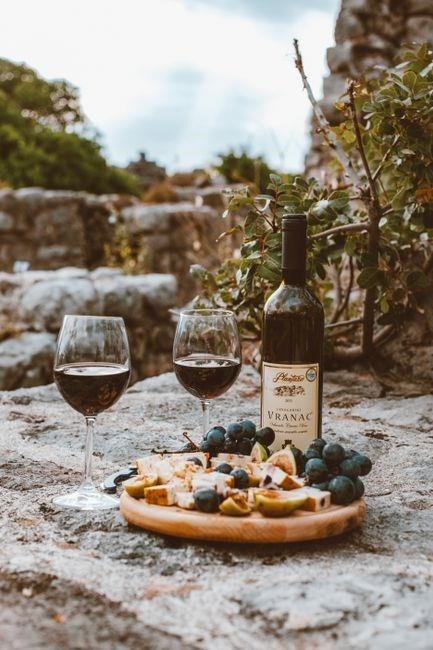
Cheese and Wine Pairings
Cheese and Wine offer classic pairings; a chart helps match textures and intensities.
Consider the cheese’s aging and milk type against the wine’s body.
For purchasing, check SimpleWine.
This culinary union is delightful, enhancing both elements perfectly for a sophisticated tasting experience.
Hard Cheeses with Full-Bodied Wines
Hard cheeses, such as aged Parmigiano-Reggiano or sharp Cheddar, possess intense, nutty, and sometimes salty flavor profiles that demand a robust counterpart.
A full-bodied wine, like a mature Cabernet Sauvignon or a rich Oaked Chardonnay, can stand up to this intensity without being overwhelmed.
The tannins in the red wine complement the savory notes of the aged cheese beautifully, creating a harmonious mouthfeel.
Conversely, a similarly structured, fruit-forward red or a powerful, complex white will prevent the wine from tasting thin next to the cheese’s density.
For those seeking guidance, reviewing resources from Wikipedia or specialized retailers like WineStyle can be beneficial.
Remember that the goal is balance, not dominance.
Consulting expert reviews, perhaps from RBC, can offer regional insights into optimal pairings for specific hard varieties.
This pairing strategy elevates a simple snack to a gourmet event, ensuring every bite and sip is deeply satisfying and memorable.
Finding a reliable PDF chart simplifies this knowledge, making sophisticated pairings accessible to everyone, regardless of prior expertise in viticulture or cheesemaking.
The interplay between cheese saltiness and wine richness is a cornerstone of epicurean pleasure, a concept widely discussed in gastronomic journals like Simple Wine News;
Ultimately, understanding this relationship transforms mere consumption into a curated sensory journey, a key takeaway from any comprehensive pairing guide available online.
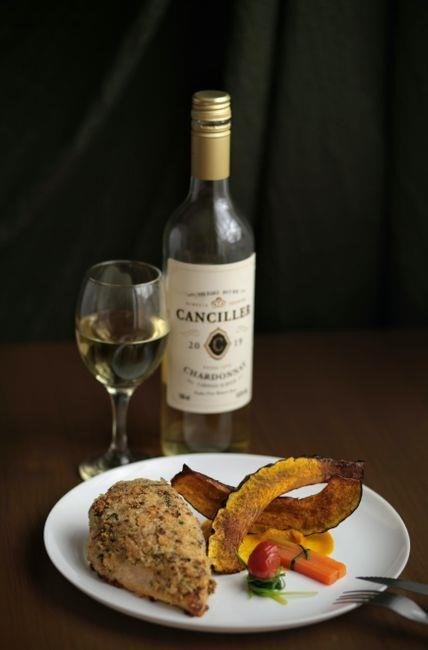
Where to Find Reliable PDFs
Online Wine Retailer Resources offer dependable PDF pairing charts.
Check sites like SimpleWine or WineStyle.
Also, Wikipedia provides foundational knowledge.
These sources ensure accuracy for your culinary adventures.

Online Wine Retailer Resources
Accessing reliable wine and food pairing chart PDFs is significantly simplified through established online wine retailer platforms.
These commercial entities, such as WineStyle and SimpleWine, often integrate educational materials directly onto their websites to enhance customer experience.
They provide not only a vast assortment of wines, including excellent Russian selections as noted in recent Russian wine ratings, but also expert guidance.
Furthermore, Wikipedia serves as a broad, accessible reference point for understanding the nature of wine itself, which is crucial context for any pairing guide.
For those interested in the technical aspects, WineHQ addresses compatibility layers, though less directly related to food pairing.
These retailers offer detailed product descriptions and specialist consultations, making the selection process less daunting for novices.
When seeking a pairing chart, look for dedicated ‘Guides’ or ‘Pairing Tips’ sections rather than just product listings.
The availability of curated lists, like those found in WineHelp reviews, can also point towards suitable pairings for specific regional tastes, such as those highlighted in Simple Wine News.
Always verify the currency of any chart, as wine trends and regional specialties evolve rapidly, especially considering local market availability in places like Moscow and St. Petersburg.
These resources move beyond simple sales, offering genuine value through knowledge dissemination, ensuring a more informed and ultimately more delicious dining journey for the user seeking a definitive pairing chart.
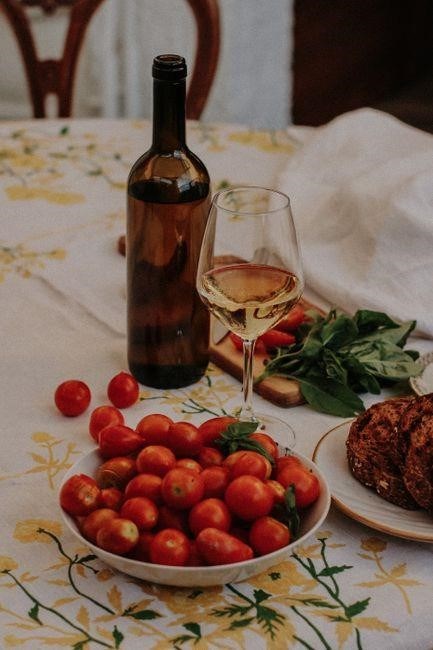
Tips for Successful Pairing
Consider flavor profiles; wine should complement, not clash.
Use retailer insights from SimpleWine.
Reference Wikipedia for basics.
A good chart aids this, making dining a refined, enjoyable global experience.
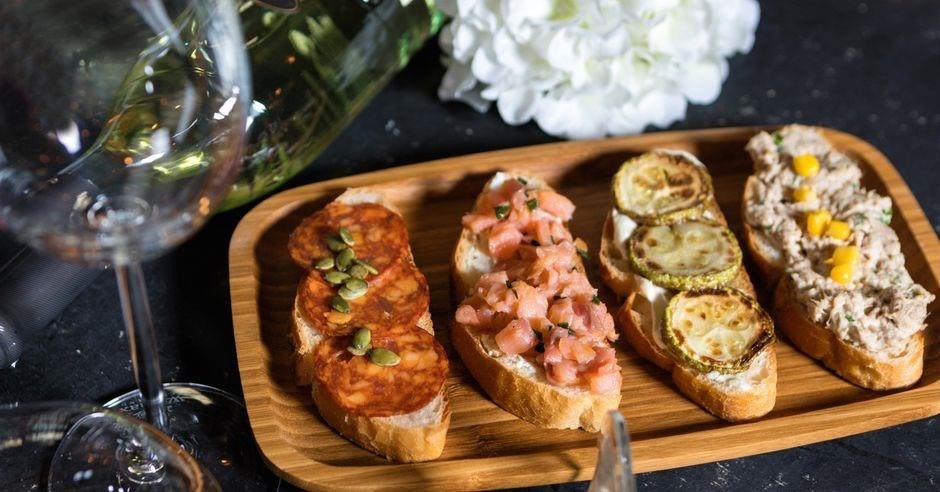
Considering Flavor Profiles
Flavor harmony is the cornerstone of any successful wine and food pairing endeavor, moving beyond mere color or body to the nuanced tastes present in both the beverage and the dish.
When consulting a hypothetical wine and food pairing chart PDF, one must look past simple categories and delve into the specific aromatic and gustatory characteristics—is the food acidic, umami-rich, sweet, or spicy?
Similarly, what are the dominant notes in the wine—tannic, earthy, fruity, or mineralic?
For instance, a highly acidic tomato-based sauce pairs beautifully with a wine possessing complementary acidity, rather than one that is overly tannic or heavy.
Referencing resources like Wikipedia provides foundational knowledge, but practical application requires tasting notes.
Retailers such as WineStyle often provide detailed descriptions that highlight these profiles, assisting the consumer.
The goal is integration; the wine should enhance the food’s inherent qualities, not overpower them;
This thoughtful consideration elevates a simple meal to a sophisticated gastronomic event, making the pairing process intuitive rather than arbitrary.
Experts reviewing top Russian wines in 2026, as seen on RBC, emphasize this depth of flavor.
Ultimately, understanding how flavors interact—sweet with tart, bold with rich—is more valuable than simply following a static chart, though the chart serves as an excellent starting point for exploration and learning about diverse global palates.