
Lactose-Free Food List: A Comprehensive Guide (Updated December 18, 2025)
Navigating a lactose-free lifestyle requires understanding hidden lactose sources and utilizing comprehensive resources․ Downloadable PDF lists from trusted sources, like hospitals and digestive health centers, are invaluable for informed grocery shopping and meal planning․
Understanding Lactose and Lactose Intolerance
Lactose intolerance isn’t an allergy, but a digestive issue arising from insufficient lactase production․ Lactase is the enzyme crucial for breaking down lactose, a natural sugar found exclusively in mammalian milk – including cow’s, goat’s, and human milk․ When undigested, lactose ferments in the colon, leading to uncomfortable symptoms․
The severity of lactose intolerance varies greatly․ Some individuals can tolerate small amounts of lactose, while others experience significant discomfort even with minimal intake․ It’s important to note that lactose intolerance can develop at any age, often gradually over years, particularly in adolescents and adults․ While congenital lactose intolerance is rare, acquired forms are more common, sometimes stemming from digestive diseases or small intestine injuries․
Understanding these factors is key when utilizing a lactose-free food list PDF․ These resources help identify safe foods and potential hidden sources of lactose, empowering individuals to manage their symptoms effectively and maintain a balanced diet․
What is Lactose?
Lactose, commonly known as milk sugar, is a disaccharide carbohydrate found naturally in the milk of mammals․ It’s composed of glucose and galactose, bonded together․ This white, odorless sugar provides a sweet taste and contributes to the energy content of milk and dairy products․
Because lactose is exclusive to mammalian milk, plant-based milk alternatives – such as almond, soy, or oat milk – are inherently lactose-free․ However, it’s crucial to remember that some processed plant-based milks may have lactose added, so careful label reading is essential․
When consulting a lactose-free food list PDF, understanding that lactose is the target ingredient is vital․ The goal is to identify and avoid foods containing this specific sugar, or to choose products where it has been successfully broken down into its simpler components, glucose and galactose, through enzymatic processes․
Causes of Lactose Intolerance
Lactose intolerance arises from the body’s inability to adequately digest lactose, primarily due to insufficient production of the enzyme lactase in the small intestine․ This deficiency prevents the breakdown of lactose into glucose and galactose, leading to digestive discomfort․
In young children, lactose intolerance is often a secondary condition, stemming from temporary digestive illnesses or injuries affecting the small intestine․ However, the most common form develops gradually over years in adolescents and adults, representing a natural decline in lactase production with age․
When utilizing a lactose-free food list PDF, recognizing these causes is helpful․ It clarifies that the issue isn’t an allergy to milk protein, but a digestive problem with the milk sugar itself․ Therefore, the focus is on managing lactose intake, not eliminating all dairy entirely, unless advised by a healthcare professional․
Symptoms of Lactose Intolerance
Recognizing the symptoms of lactose intolerance is crucial for effective dietary management․ Common indicators include diarrhea, gas, and bloating, typically appearing within 30 minutes to two hours after consuming lactose-containing products․ The severity of symptoms varies greatly depending on the amount of lactose ingested and the individual’s lactase deficiency level․
Other potential symptoms encompass abdominal cramps, nausea, and even vomiting in some cases․ Utilizing a lactose-free food list PDF can help pinpoint trigger foods and correlate them with experienced symptoms, aiding in personalized dietary adjustments․
It’s important to differentiate these symptoms from those of a milk allergy, which involves an immune response and can be more severe․ A carefully curated list assists in identifying and avoiding lactose, ultimately improving digestive comfort and overall well-being․

Naturally Lactose-Free Foods
Embrace a diverse diet! Fruits, vegetables, grains, and proteins—meat, poultry, fish, and eggs—are naturally free of lactose, as detailed in helpful PDF lists․
Fruits
Fortunately, all fresh fruits are naturally lactose-free! This makes them a fantastic and versatile foundation for a lactose-free diet․ You can enjoy the entire spectrum of fruity goodness without worry – from apples and bananas to berries, citrus fruits, melons, and tropical delights like mangoes and pineapples․
PDF guides dedicated to lactose-free eating consistently highlight fruits as a safe and healthy choice․ They require no label checking, offering simplicity and peace of mind․ Incorporate fruits into your breakfast, snacks, desserts, or as a refreshing side dish․
However, be mindful of processed fruit products․ Fruit juices with added dairy ingredients, or fruit pies containing milk-based crusts, may not be lactose-free․ Always scrutinize ingredient lists on packaged items․ Utilizing a downloadable PDF can help you quickly identify potential hidden lactose sources within these processed options, ensuring you stay on track with your dietary needs․
Vegetables
Like fruits, all fresh vegetables are inherently lactose-free, providing a broad range of nutritional benefits without dietary restrictions․ From leafy greens like spinach and kale to root vegetables such as carrots and potatoes, and colorful options like bell peppers and broccoli, vegetables are a cornerstone of a lactose-free lifestyle․
Lactose-free food list PDFs universally emphasize the safety of fresh vegetables․ They offer a convenient and reliable source of vitamins, minerals, and fiber, contributing to overall health and well-being․ Enjoy them steamed, roasted, grilled, or incorporated into salads and soups․
However, caution is advised with processed vegetable dishes․ Creamed spinach, scalloped potatoes, or vegetable soups containing milk or butter are not lactose-free․ Always carefully review ingredient labels․ A comprehensive PDF guide can be invaluable in identifying hidden lactose within these prepared vegetable products, helping you maintain a strictly lactose-free diet․
Grains & Starches
Naturally, most grains and starches are lactose-free, forming a substantial part of a balanced, lactose-free diet․ This includes staples like rice (white, brown, wild), quinoa, oats, corn, and wheat․ These provide essential carbohydrates for energy and can be prepared in numerous ways – boiled, steamed, baked, or as part of more complex dishes․
Lactose-free food list PDFs consistently confirm the safety of these unadulterated grains and starches․ However, it’s crucial to be mindful of how they are prepared and what’s added․ Many commercially prepared grain products, such as flavored rice mixes or pre-made pasta salads, may contain milk or milk derivatives․
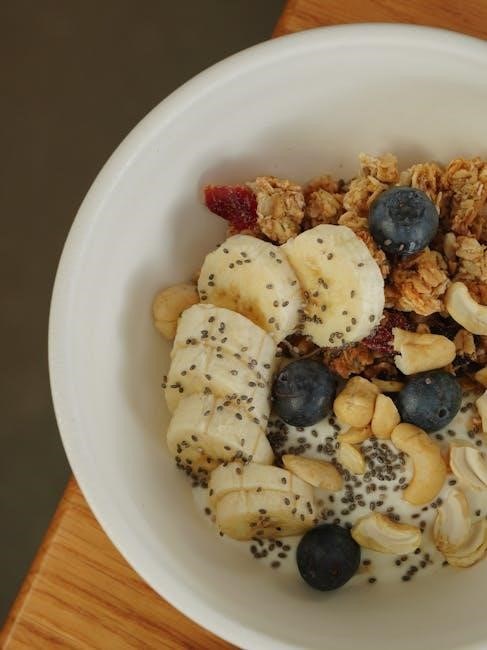
Therefore, scrutinizing ingredient lists is paramount․ A detailed PDF guide will highlight potential hidden lactose sources in processed grain-based foods․ Look out for ingredients like whey, casein, or milk solids․ Choosing plain, unprocessed grains and starches ensures a truly lactose-free meal, offering both nourishment and peace of mind․
Proteins (Meat, Poultry, Fish, Eggs)
Excellent news for protein lovers: meat, poultry, fish, and eggs are naturally lactose-free! These foundational elements of a healthy diet provide essential amino acids without the worry of lactose intolerance symptoms․ Enjoy beef, chicken, turkey, pork, lamb, and all types of fish without restriction․
Lactose-free food list PDFs universally confirm the inherent lactose-free status of these protein sources․ However, preparation methods are key․ Marinades, breadings, and sauces frequently contain hidden dairy ingredients․ Avoid pre-marinated meats or those coated in mixes unless you’ve carefully checked the label․
A comprehensive PDF guide will emphasize the importance of reading ingredient lists on processed protein products like sausages or pre-made patties․ Look for whey, casein, or milk solids․ Opting for simply seasoned or unseasoned proteins allows you to control the ingredients and ensure a truly lactose-free meal, maximizing both flavor and well-being․

Dairy Alternatives
PDF resources highlight a growing range of plant-based options․ Almond, soy, and oat milks, yogurts, and cheeses offer delicious lactose-free substitutes for traditional dairy products․
Plant-Based Milks
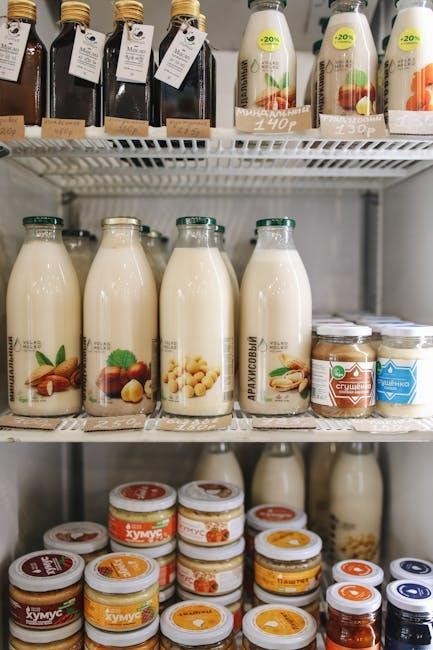
Exploring the world of plant-based milks is essential for those avoiding lactose․ Numerous PDF guides detail the variety available, extending far beyond traditional cow’s milk․ Almond milk, a popular choice, offers a subtly nutty flavor and is often fortified with vitamins․ Soy milk provides a comparable protein content to dairy milk and is a versatile option for cooking and baking․
Oat milk has gained significant traction due to its creamy texture and naturally sweet taste, making it ideal for lattes and smoothies․ Coconut milk, while richer, provides a distinct tropical flavor․ Rice milk is a lighter option, suitable for those with multiple allergies․ Cashew milk offers a smooth, luxurious consistency․
PDF resources often include nutritional comparisons, helping consumers choose the best option for their needs․ It’s important to check labels for added sugars and ensure adequate vitamin D and calcium fortification, as these nutrients are naturally present in dairy milk․ Many downloadable lists categorize milks by their suitability for different uses, like frothing or baking․
Plant-Based Yogurts
Transitioning to plant-based yogurts offers a delicious and lactose-free alternative to traditional dairy yogurt․ Comprehensive PDF guides highlight the expanding range of options available, catering to diverse tastes and dietary needs․ Soy yogurt remains a popular choice, providing a protein-rich and creamy texture, often comparable to Greek yogurt․
Coconut yogurt delivers a rich, tropical flavor and a velvety smooth consistency, though it’s typically higher in fat․ Almond yogurt offers a lighter, subtly nutty taste, while cashew yogurt provides a luxurious, decadent experience․ Oat yogurt is gaining popularity for its creamy texture and mild flavor, making it versatile for various uses․
PDF resources frequently detail the probiotic content of different brands, crucial for gut health․ Checking ingredient lists is vital to avoid added sugars and artificial sweeteners․ Many downloadable lists also categorize yogurts by their suitability for specific purposes, like smoothies or baking, aiding informed consumer choices․
Plant-Based Cheeses
Exploring plant-based cheeses is essential for lactose-free diets, and detailed PDF guides are invaluable resources․ These guides showcase the remarkable advancements in vegan cheese production, moving beyond basic alternatives to sophisticated recreations of familiar favorites․ Cashew-based cheeses are renowned for their creamy texture and ability to melt, making them ideal for pizzas and gratins․
Almond cheeses offer a milder flavor and are often used in spreads and dips․ Coconut oil-based cheeses provide a rich, buttery taste, while tapioca starch contributes to a stretchy, mozzarella-like consistency․ Soy-based cheeses remain a common option, offering a versatile base for various cheese styles․
PDF lists often categorize cheeses by type – cheddar, mozzarella, parmesan – and highlight brands with superior meltability or flavor profiles․ They also detail ingredient lists, helping consumers avoid unwanted additives․ Understanding the base ingredients and production methods, as outlined in these resources, empowers informed choices for a satisfying lactose-free experience․

Lactose-Free Dairy Products
PDF resources detail lactose-free milk, yogurt, and cheese varieties readily available․ These guides clarify labeling, helping you identify products with reduced or no lactose content for easier shopping․
Lactose-Free Milk Options
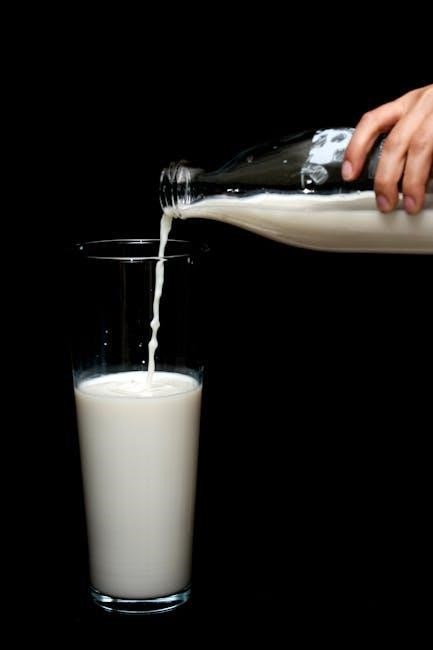
Finding suitable milk alternatives is a cornerstone of a lactose-free diet, and numerous resources, often available as downloadable PDF guides, detail the expanding options․ Traditional cow’s milk now frequently comes in lactose-free versions, achieved by adding lactase enzyme to break down the lactose during processing․ These options – whole, 2%, 1%, and skim – maintain the nutritional profile of regular milk, including calcium and vitamin D․
PDF lists from organizations like the University of Rochester Medical Center highlight the availability of these products․ Beyond lactose-free cow’s milk, plant-based milks are naturally lactose-free and offer diverse flavors and nutritional benefits․ Almond, soy, oat, coconut, and cashew milks are popular choices, each with varying levels of protein and fat․
However, it’s crucial to check ingredient labels, as some plant-based milks may contain added sugars or thickeners․ Comprehensive PDF guides often compare nutritional values and highlight potential allergens․ Lactose-reduced milk, while containing some lactose, may be tolerated by individuals with mild intolerance, and these options are also detailed in available resources․
Lactose-Free Yogurt Varieties
Expanding beyond traditional dairy, the yogurt aisle now boasts a growing selection of lactose-free options, frequently detailed in downloadable PDF resources from health organizations․ Lactose-free yogurt is produced similarly to lactose-free milk – by adding lactase to break down lactose during fermentation․ This allows individuals with intolerance to enjoy the probiotic benefits of yogurt without digestive discomfort․
PDF guides often categorize varieties, including those made from cow’s milk and plant-based alternatives․ Plant-based yogurts, crafted from almond, soy, coconut, or oat milk, are naturally lactose-free and offer diverse flavors and textures․ Checking ingredient lists remains vital, as some brands add sugars or stabilizers․
Resources like those from Arizona Digestive Health emphasize the importance of reading labels carefully․ Sweet acidophilus milk and acidophilus milk, while seemingly dairy-based, may still contain lactose, so lactose-free versions are preferable․ PDF lists frequently provide brand recommendations and nutritional comparisons to aid informed choices․

Lactose-Free Cheese Choices
Finding suitable cheese on a lactose-free diet can be challenging, but increasingly accessible thanks to detailed PDF guides and expanding product availability․ Lactose-free cheese is typically created through a similar process as lactose-free milk – adding lactase to break down lactose during the cheese-making process․ Aged cheeses, like cheddar and parmesan, naturally contain lower lactose levels due to the aging process, but may not be suitable for all individuals․
PDF resources often highlight brands specializing in lactose-free cheeses, including mozzarella, cheddar, and cream cheese alternatives․ Plant-based cheese options, made from ingredients like cashews, almonds, or soy, are also naturally lactose-free and are frequently listed in comprehensive guides․
It’s crucial to scrutinize ingredient lists, as some processed cheeses may contain hidden lactose․ Downloadable lists from reputable sources, like the Golisano Children’s Hospital, provide valuable brand recommendations and nutritional information to support informed purchasing decisions․

Hidden Sources of Lactose: Foods to Watch Out For
PDF guides reveal lactose lurks in unexpected places—processed meats, baked goods, and sauces․ Careful label reading is essential, as milk derivatives are common ingredients․
Processed Meats
Surprisingly, many processed meats aren’t inherently lactose-free and can contain hidden lactose․ This is often due to the use of milk solids, whey, or lactose as binders, fillers, or flavoring agents during manufacturing․ Downloadable PDF resources dedicated to lactose-free eating frequently highlight this often-overlooked source․
Examples include certain types of sausages, hot dogs, deli meats, and even some bacon varieties․ Manufacturers may add these dairy-derived ingredients to improve texture, enhance flavor, or reduce production costs․ Always scrutinize ingredient lists carefully․ Look for terms like “whey,” “milk solids,” “lactose,” or “milk powder․”
PDF guides often provide specific brand recommendations and lists of processed meat products confirmed to be lactose-free․ When in doubt, contacting the manufacturer directly is a prudent step․ Choosing fresh, unprocessed meats is generally the safest option for those strictly avoiding lactose, but awareness is key when selecting pre-made options․
Baked Goods
Baked goods represent a significant challenge for those following a lactose-free diet, as dairy is a common ingredient․ Milk, butter, and whey are frequently used in cakes, cookies, pastries, breads, and muffins to contribute to texture, richness, and flavor․ Comprehensive lactose-free food lists, often available as PDF downloads, emphasize the need for careful label reading․
Many commercially produced baked goods contain hidden lactose in the form of milk solids or whey powder․ Even items that don’t seem to contain dairy, like some crackers or breads, can include these ingredients․ Fortunately, an increasing number of bakeries and brands now offer lactose-free alternatives, utilizing plant-based milks and butter substitutes․
PDF guides often categorize baked goods by their likelihood of containing lactose and provide brand-specific recommendations․ Baking at home allows complete control over ingredients, ensuring a truly lactose-free treat; Always double-check ingredient lists and consider using lactose-free baking mixes when convenience is desired․
Sauces & Dressings
Sauces and dressings are notorious for containing hidden lactose, making them a critical area of focus when consulting a lactose-free food list PDF․ Dairy products, such as milk, cream, and butter, are frequently used to create creamy textures and enhance flavor profiles in a wide variety of condiments․
Common culprits include creamy salad dressings (like ranch and blue cheese), white sauces (béchamel), cheese sauces, and some gravy recipes․ Even seemingly simple sauces, like pesto, can sometimes contain cheese․ Thoroughly reviewing ingredient lists is paramount, as lactose can be present in unexpected forms like whey or milk solids․
PDF resources often highlight lactose-free alternatives, such as vinaigrettes, oil-based dressings, and sauces made with plant-based creams․ Making sauces from scratch allows for complete control over ingredients, ensuring they align with dietary needs․ When purchasing pre-made options, look for products specifically labeled “lactose-free” or “dairy-free․”
Medications & Supplements
Many individuals are unaware that lactose can be a hidden ingredient in medications and dietary supplements, making a comprehensive lactose-free food list PDF invaluable․ It’s frequently used as a filler or binder in pill formulations, and can also be present in liquid medications to improve palatability or aid in drug delivery․
Both prescription and over-the-counter drugs can contain lactose․ This is particularly common in medications intended for oral administration․ Individuals with severe lactose intolerance may experience symptoms even from small amounts of lactose in their medications․
PDF guides often advise consulting with a pharmacist or physician to confirm the lactose content of specific medications and explore lactose-free alternatives․ Similarly, supplements, including vitamins and protein powders, may contain dairy-derived ingredients․ Careful label reading and seeking out lactose-free or dairy-free certified products are essential for managing lactose intolerance effectively․

Reading Food Labels for Lactose
Decoding food labels is crucial for those avoiding lactose․ A detailed PDF list helps identify hidden lactose ingredients and understand distinctions between “lactose-reduced” and truly “lactose-free” products․
Identifying Lactose Ingredients
Successfully navigating a lactose-free diet hinges on your ability to decipher food labels․ Lactose isn’t always explicitly listed as “lactose․” It frequently hides under various aliases, making careful scrutiny essential․ A comprehensive PDF guide detailing these hidden forms is an invaluable tool․
Common culprits include whey, casein, and milk solids – all derived from milk․ Look out for ingredients like milk powder, dry milk solids, and even seemingly innocuous terms like “milk sugar” which directly refers to lactose․ Hydrolysates, often found in processed foods, can also contain lactose․
Furthermore, be aware that ingredients like “lactalbumin” and “lactoglobulin” are milk proteins containing lactose․ Utilizing a downloadable PDF checklist, readily available from reputable sources like the University of Rochester Medical Center, can streamline this process․ These lists provide a quick reference, empowering you to confidently identify potential lactose sources and make informed dietary choices․ Remember, even products not overtly appearing to contain milk may harbor hidden dairy derivatives․
Understanding “Lactose-Reduced” vs․ “Lactose-Free”
Distinguishing between “lactose-reduced” and “lactose-free” is crucial for managing lactose intolerance effectively․ A helpful lactose-free food list PDF will often clarify these distinctions․ “Lactose-free” products, as the name suggests, contain a negligible amount of lactose – typically less than 0․5 grams per serving․ These are generally safe for most individuals with lactose intolerance․
However, “lactose-reduced” products still contain some lactose, albeit a significantly lower quantity than traditional dairy․ While these may be tolerated by individuals with mild lactose intolerance, those with severe sensitivities might still experience symptoms․
It’s vital to check the nutrition label for the precise lactose content․ Downloadable PDF guides from sources like Arizona Digestive Health often highlight this difference․ Understanding your personal tolerance level and carefully reviewing product labeling, aided by a comprehensive PDF resource, is key to a comfortable and symptom-free diet․ Don’t assume “reduced” means completely safe․
Resources for Lactose-Free Product Lists (PDF Downloads)
Finding reliable, up-to-date lactose-free product lists in PDF format is essential for simplifying grocery shopping․ Several organizations offer downloadable resources to aid individuals managing lactose intolerance․ The Golisano Children’s Hospital at the University of Rochester Medical Center provides valuable information and potentially downloadable guides focusing on identifying lactose in foods․
Arizona Digestive Health is another excellent source, often offering detailed lists and resources to help navigate a lactose-free diet․ Searching online for “lactose-free food list PDF” will yield numerous results, but prioritize resources from reputable medical institutions or digestive health specialists․
These PDFs typically categorize foods, highlight hidden lactose sources, and provide ingredient lists to scrutinize․ Remember to check the publication date, as product formulations change․ Utilizing these downloadable lists empowers informed choices and supports a comfortable, symptom-managed lifestyle; Always cross-reference with product labels․