
Understanding Bathing Suit Sizing
Bathing suit sizing can be tricky! Size charts vary greatly between brands, and even within a single brand’s different styles․
Knowing your measurements is key to finding the perfect fit․
Why Bathing Suit Sizing Differs
Unlike standard clothing sizes, bathing suit sizing isn’t standardized across the industry․ This inconsistency stems from several factors, including variations in fabric composition and stretch․ Different materials offer varying levels of support and conform to the body differently․
Manufacturing processes and design philosophies also play a role․ Some brands prioritize a more relaxed fit, while others focus on a snug, supportive feel․ Furthermore, sizing can differ based on the suit’s style – a one-piece will fit differently than a bikini․
Ultimately, it’s crucial to consult each brand’s specific size chart and prioritize accurate measurements rather than relying on your usual clothing size․
The Impact of Brand Variation
Each swimwear brand often interprets sizing differently, leading to significant variations even within the same numerical size․ Anne Cole, Catalina, and Raisins, for example, may all size a “size 8” differently based on their target customer and design aesthetic․
This means a size 8 in one brand might fit perfectly, while the same size in another could be too tight or too loose․ Brand-specific size charts are therefore essential․
Junior sizing also differs from women’s sizing, further complicating matters․ Always prioritize checking the specific size guide provided by the retailer or brand before making a purchase to ensure the best fit․

Essential Measurements for Bathing Suit Shopping
Accurate measurements are crucial! Bust, waist, and hips are fundamental, but torso length is vital for one-piece suits, ensuring a comfortable and flattering fit․
Bust Measurement: How to Accurately Measure
For the most accurate bust measurement, wear a non-padded bra that closely resembles the support you’ll wear with your swimsuit․ Stand naturally and have a friend assist, if possible․ Wrap the measuring tape around the fullest part of your bust, keeping it level across your back and under your arms․
Ensure the tape isn’t too tight – you should be able to comfortably slide a finger underneath․ Breathe normally during the measurement․ Record the measurement in inches or centimeters․ Repeat the measurement to confirm accuracy, as slight variations can occur․ This measurement is essential for determining the correct cup size and overall fit of your swimsuit top․
Waist Measurement: Finding Your Natural Waist
Locating your natural waist is crucial for a flattering swimsuit fit, especially for one-pieces and high-waisted bottoms․ Stand relaxed and gently bend to the side; the crease that forms is generally your natural waist․ Alternatively, it’s typically the narrowest part of your torso․
Wrap a measuring tape around this point, keeping it comfortably snug – not too tight, not too loose․ Breathe normally and record the measurement․ This measurement helps determine the fit around your midsection, ensuring a comfortable and flattering silhouette․ Accurate waist measurement is vital for styles designed to cinch or define the waistline․
Hip Measurement: Measuring at the Fullest Point
Accurately measuring your hips is essential for bikini bottoms, swim dresses, and one-piece suits․ Stand with your feet together and measure around the fullest part of your hips and buttocks․ Ensure the measuring tape is level all the way around your body, and isn’t digging into your skin․
This is often 7-9 inches below your natural waist․ Breathe normally during the measurement․ This hip measurement dictates the fit of the swimsuit around your lower body, influencing how it drapes and feels․ A correct hip measurement prevents gapping or tightness․
Torso Length: Importance for One-Piece Suits
Torso length is crucial for one-piece swimsuit fit, often overlooked! Measure from the center of your shoulder, down the front, through your crotch, and back up to the center of your shoulder․ This determines if the swimsuit will provide adequate coverage and avoid pulling or sagging․
Standard, long, and short torso lengths are common․ A properly fitted one-piece will feel secure and comfortable, enhancing your silhouette․ Ignoring torso length can lead to a poor fit, impacting both comfort and style․ Accurate measurement ensures a flattering look․

Decoding Bathing Suit Size Charts
Size charts are your guide, but vary! US, European, and Junior sizes differ; always consult the specific brand’s chart for accurate sizing․
Standard US Size Charts
Understanding US sizing is the first step․ Generally, sizes range from 2 to 24, though this can fluctuate․ Bust size is often paired with cup size (AA, A, B, C, D, DD, etc․)․ Waist and hip measurements are crucial for bottoms and one-piece suits․
A typical size 8, for example, might correlate to a 36-inch bust, a 28-inch waist, and 38-inch hips․ However, these are averages! Always prioritize measuring yourself, as body shapes vary․ Many brands offer detailed charts linking these measurements to their specific sizes․ Don’t assume your usual clothing size translates directly to swimwear; it rarely does!
European & International Size Conversions
Navigating international sizes requires a conversion chart․ European sizes typically run smaller than US sizes․ For instance, a US size 6 might equate to a European size 38․ UK sizes also differ; a US 8 often corresponds to a UK 12․
Australian sizing also presents unique variations․ Always consult a reliable conversion chart before purchasing from international retailers․ Remember that these are approximate conversions, and brand-specific variations exist․ Prioritize checking the retailer’s size guide, which often includes measurements in both inches and centimeters for accurate comparisons․
Junior vs․ Women’s Sizing
Significant differences exist between junior and women’s swimwear sizing․ Junior sizes are designed for a younger, developing body with proportionally shorter torso lengths and smaller cup sizes․ Women’s suits cater to more mature figures with longer torsos and a wider range of cup sizes․
A junior size 11/13 might fit similarly to a women’s size 6, but this isn’t always consistent․ Always check the specific brand’s size chart, as variations occur․ Women’s suits generally offer more support and shaping features․ Prioritize measuring yourself and comparing to the appropriate size chart for the most accurate fit․

Types of Bathing Suits & Fit Considerations
Different swimsuit styles require unique fit approaches․ One-pieces prioritize torso length, while bikinis demand separate top and bottom sizing for optimal comfort and support․
One-Piece Suits: Body Shaping & Coverage
One-piece swimsuits offer a classic silhouette with varying levels of body shaping and coverage․ When selecting a one-piece, torso length is paramount for a comfortable fit – measure from shoulder to crotch․
Consider styles with built-in support, ruching, or strategic paneling to enhance your figure․ High-cut legs elongate the legs, while higher necklines provide more coverage․
Look for fabrics with good compression to smooth and sculpt․
Adjustable straps are beneficial for a customized fit․ Remember to check size charts, as one-piece sizing can differ significantly based on the brand and style․
Bikini Sets: Top & Bottom Sizing
Bikini sets often require separate top and bottom sizing, as body shapes vary․ Don’t assume you’re the same size in both pieces! Measure your bust and hips independently․ Top sizing typically considers band size (underbust) and cup size․
Bottom sizing focuses on waist and hip measurements․
Consider the rise of the bottoms – low, mid, or high-waisted – for optimal comfort and style․
Triangle tops generally offer less support, while halter or underwire styles provide more․ Check brand-specific size charts carefully, as bikini sizing can be inconsistent․
Tankini Sets: Combining Comfort & Style
Tankini sets offer a blend of bikini and one-piece styles, providing more coverage than a traditional bikini but with greater versatility; Top sizing is similar to bikini tops – consider band and cup size for the best support․ Bottom sizing follows the same principles as bikini bottoms, focusing on waist and hip measurements․
Look for adjustable straps and built-in support for a customized fit․
Tankinis are excellent for those seeking tummy control or wanting a more modest swimwear option․ Always consult the brand’s size chart!
High-Waisted Bottoms: Accentuate the Waist
High-waisted bikini bottoms are incredibly flattering, designed to cinch the waist and create an hourglass silhouette․ Accurate waist measurement is crucial for a comfortable and secure fit – measure at your natural waistline․
Consider the rise of the bottoms; higher rises offer more tummy coverage․
Pay attention to the leg opening; it should neither bind nor gape․
These bottoms work well with various top styles, from bandeau to triangle․ Don’t hesitate to size up if you’re between sizes for optimal comfort!
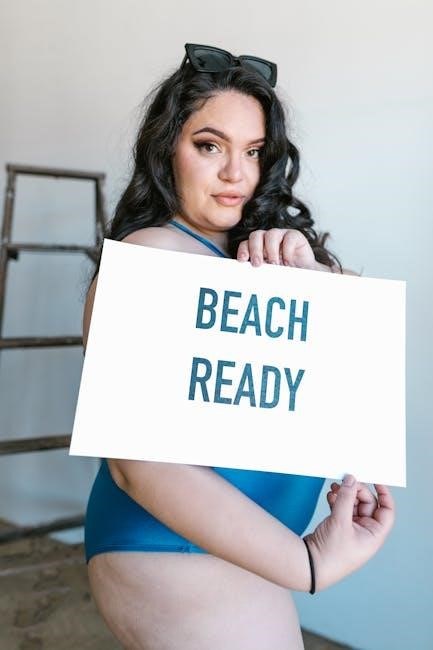
Specific Body Types & Bathing Suit Recommendations
Different body shapes benefit from specific styles! Understanding your silhouette – pear, apple, hourglass, or athletic – helps choose swimwear that flatters your figure․
Pear Shape: Balancing Proportions
If you’re pear-shaped, meaning your hips are wider than your shoulders, the goal is to balance your proportions․ Look for styles that draw the eye upward, adding volume to your upper body․
Consider tops with embellishments, ruffles, or bright patterns․ Halter tops and those with wider straps can broaden the shoulders․
For bottoms, choose solid colors and avoid excessive detailing․ High-waisted bottoms can define your waist and create a smoother silhouette․ A-line skirts or those with moderate coverage are also flattering choices․ Avoid bottoms with large side embellishments․
Apple Shape: Creating Definition
For an apple shape, where you carry weight around the midsection, the aim is to create a defined waistline and elongate the torso․ Styles that draw attention away from the midsection are ideal․
Look for swimsuits with ruching or draping around the waist, as this can create the illusion of curves․
Tankinis with adjustable ties or belts are excellent choices․ One-piece suits with strategic color blocking or patterns can also be very flattering․ Avoid styles that are overly tight around the stomach․ V-necklines help elongate the upper body․
Hourglass Shape: Highlighting Curves
If you have an hourglass figure – defined waist and balanced bust and hips – you’re fortunate! Most bathing suit styles will flatter your shape․ The goal is to accentuate your natural curves without adding bulk․
Classic cuts like belted one-pieces or high-waisted bikinis work wonderfully․ Look for suits that cinch at the waist to emphasize your smallest point․
Wrap-style swimsuits are also incredibly flattering․ Avoid overly baggy or boxy styles that hide your shape․ Adjustable straps are beneficial for a perfect fit and support․
Athletic Shape: Adding Volume
For an athletic build – straight silhouette with similar measurements for bust, waist, and hips – the aim is to create the illusion of curves and add volume․ Styles with ruffles, padding, or embellishments can be incredibly effective․
Consider triangle bikinis or suits with side ties, as they add shape․ One-piece suits with cutouts or strategic detailing can also create curves․
Bright colors and bold prints are your friends! Avoid overly simple or minimalist styles that might emphasize a straight figure․ Look for suits that offer good support and shape․

Dealing with Common Bathing Suit Fit Issues
Fit problems are common! Gapping cups, tightness, or looseness can occur․ Adjusting straps, sizing up, or choosing stretch fabrics often resolves these issues․
Gapping Cups: Finding the Right Support
Gapping cups are a frequent frustration! This often indicates the cup size is too small, or the band isn’t snug enough․ Start by trying a sister size – increasing the cup size while decreasing the band size, or vice versa․
Look for bathing suits with underwire for enhanced support, or those featuring molded cups․ Adjustable straps are crucial for a customized fit․ Consider suits with wider bands, as they provide more stability․ If gapping persists, a plunge neckline might not be the best choice for your shape; explore fuller coverage styles․ Don’t hesitate to try multiple sizes and brands!
Too Tight: Sizing Up & Stretch Fabrics
A too-tight bathing suit is uncomfortable and unflattering! First, definitely size up – don’t squeeze into a smaller size hoping it will stretch․ Look for suits with a high percentage of spandex or Lycra, as these fabrics offer significant stretch and recovery․
Pay attention to the fabric’s weight; thicker fabrics generally provide more support but less stretch․ If the suit is only slightly tight, try it on and move around to see if it becomes more comfortable․ Avoid suits with minimal stretch if you prefer a relaxed fit․ Prioritize comfort!
Too Loose: Adjusting Straps & Ties
A loose-fitting swimsuit lacks support and can feel insecure! Before resorting to sizing down, fully adjust all straps and ties․ Many suits offer adjustable features to customize the fit to your body․ Tighten shoulder straps for lift and support, and cinch ties at the neck or back for a more secure hold․
If adjustments aren’t enough, consider a suit with built-in support, like underwire or molded cups․ Adding silicone nipple covers can also help prevent slippage․ Remember, a well-fitted suit should stay in place during activity!
Online Shopping Tips for Bathing Suits
Shop smart online! Read customer reviews for sizing insights, carefully check return policies before purchasing, and utilize size finders offered by retailers․
Reading Customer Reviews
Customer reviews are invaluable when shopping for swimwear online․ Pay close attention to comments regarding sizing – do suits run true to size, small, or large? Look for reviewers with similar body types to yours and note their experiences․
Specifically, search for keywords like “sizing,” “fit,” or “runs small/large․” Don’t solely rely on star ratings; delve into the written feedback․ Reviews often mention fabric quality, support, and overall satisfaction, providing a holistic view beyond the size chart․
Remember that individual perceptions vary, but patterns in reviews can reveal consistent sizing issues․
Checking Return Policies
A generous return policy is crucial when buying bathing suits online, as fit can be unpredictable․ Before making a purchase, thoroughly review the retailer’s return guidelines․ Note the timeframe for returns – typically 30 days, but it varies․
Understand if you’re responsible for return shipping costs, and if the item must be unworn with tags attached․ Some retailers offer free returns or exchanges, which is ideal․
Pay attention to any exceptions, such as final sale items․ A hassle-free return process provides peace of mind, allowing you to confidently order multiple sizes to find the perfect fit․
Utilizing Size Finders
Many online swimwear retailers now offer size finder tools, designed to help you determine your best fit based on your measurements and body shape․ These tools typically ask for your bust, waist, and hip measurements, and sometimes your height and weight․
While not always perfect, size finders can provide a valuable starting point, especially if you’re unfamiliar with a particular brand’s sizing․
Remember to double-check the results against the brand’s specific size chart, and read customer reviews for additional insights into fit accuracy․ Don’t rely solely on the size finder; it’s a guide, not a guarantee․

Understanding Fabric & Stretch
Fabric composition significantly impacts fit․ Higher spandex/lycra content (80%+) offers greater stretch and a more forgiving fit, while less provides more support․
Spandex & Lycra Content
Spandex and Lycra are crucial for bathing suit fit and comfort․ These synthetic fibers provide exceptional stretch and recovery, allowing the suit to move with your body and maintain its shape․ A higher percentage – typically 80% or more – indicates a more compressive, form-fitting feel, ideal for streamlined silhouettes and a secure hold․
Lower percentages (around 18-20%) offer less compression but still provide some stretch for ease of movement․ Consider the fabric blend when choosing a size; a suit with high spandex content might feel snugger than one with less․ Always check the care label, as excessive heat can damage these delicate fibers, impacting the suit’s stretch and longevity․
Impact of Fabric on Fit
Fabric composition significantly impacts how a bathing suit fits and feels․ Beyond spandex/lycra, consider the primary material – nylon, polyester, or blends․ Nylon offers excellent durability and a smooth texture, while polyester is known for its resistance to chlorine and fading․ Heavier-weight fabrics provide more support and coverage, potentially requiring a size up․
Conversely, lightweight fabrics feel airier but may offer less shaping․ Ribbed or textured fabrics can also affect fit, sometimes running smaller due to their inherent stretch․ Always read the product description to understand the fabric’s properties and how it might influence your size selection․

Bathing Suit Care to Maintain Fit
Proper care extends your suit’s life and fit! Rinse after each use, hand wash with mild soap, and avoid harsh chemicals like sunscreen lotions․
Proper Washing Techniques
Gentle handling is crucial for swimwear longevity․ Always rinse your bathing suit immediately after each use in cool, clear water to remove chlorine, saltwater, and body oils․ Hand wash using a mild detergent specifically designed for delicates; avoid harsh chemicals or bleach․
Gently knead the fabric – do not twist or wring, as this can damage the elastic and shape․ Lay the suit flat to dry in a shaded area, away from direct sunlight or heat․
Never put your swimsuit in the washing machine or dryer, as these can cause fading, stretching, and loss of shape․ Following these steps will help maintain the fit and vibrancy of your favorite swimwear for seasons to come․
Avoiding Sunscreen Damage
Sunscreen is essential, but can degrade swimwear fabrics․ Oils and chemicals in sunscreen can break down spandex and other materials, causing them to lose elasticity and fade in color․ Always apply sunscreen after putting on your swimsuit, allowing it to absorb into your skin before contact․
Consider wearing a rash guard or cover-up to minimize direct sunscreen exposure to your suit․
If sunscreen does come into contact with your swimwear, rinse it off immediately with cool water; Proper care will extend the life and maintain the shape of your bathing suit, ensuring a perfect fit for longer․

Resources for Finding Your Perfect Fit
Brand size guides and online fit calculators are invaluable tools! Utilize these resources to pinpoint your ideal size and style for a confident fit․
Swimwear Brand Size Guides
Each swimwear brand often has its own unique sizing system․ Don’t assume your size is consistent across all retailers! Always consult the specific brand’s size chart before making a purchase․ These guides typically provide detailed measurements for bust, waist, and hips, corresponding to their size ranges․
Look for a “Size Guide” link on the brand’s website, usually found near the product description or in the FAQ section․ Some brands even offer printable measurement tapes or detailed instructional videos to help you accurately measure yourself․ Paying attention to these brand-specific details significantly increases your chances of selecting the right size and avoiding frustrating returns․
Online Fit Calculators
Numerous websites offer online fit calculators designed to estimate your bathing suit size․ These tools typically ask for your height, weight, and key measurements like bust, waist, and hip circumference․ While convenient, remember these calculators are estimations and shouldn’t be considered definitive․
Always cross-reference the calculator’s suggestion with the specific brand’s size chart․ Some retailers even integrate fit calculators directly onto their product pages․ Utilize multiple calculators for a broader range of suggestions, and prioritize accuracy in your initial measurements for the best results․ They’re a helpful starting point, but brand charts are crucial!